Pilots at Air Transat recently voted 99% in favor of a strike mandate, with a potential legal walkout date as early as December 10
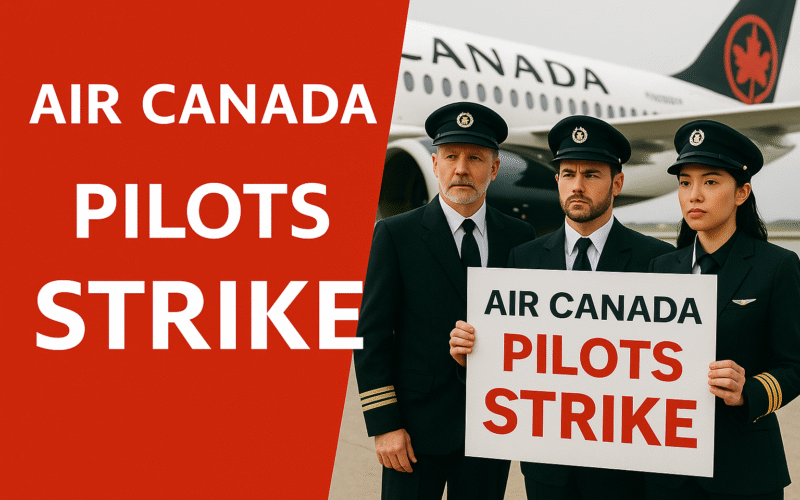
Air Canada Pilots Strike: History, Latest Updates, and Dec 10 Strike Risk Explained
The Air Canada pilots strike is once again a major topic across the aviation industry as labour tensions rise in Canada ahead of the busy travel season. While Air Canada is still operating normally, growing unrest—combined with the recent Air Transat strike mandate—has increased concern about potential large-scale disruptions in December.
This guide explains the history of Air Canada pilot strikes, the current situation, and why the Dec 10 strike deadline could escalate across Canadian airlines.
Brief History of Air Canada Pilots Strike: When It Happened and Why
Air Canada has faced multiple labour disputes with its pilots over the past decades. While not every dispute resulted in a full strike, several major standoffs caused wide disruption:
1. Late 1990s – Post-Merger Labour Conflict
After Air Canada absorbed Canadian Airlines, pilots protested over:
-
Seniority integration
-
Pay structure
-
Fleet assignment rights
This period caused severe scheduling instability and long-term labour friction.
2. Early 2000s – Financial Crisis & Wage Disputes
During Air Canada’s restructuring and bankruptcy protection phase:
-
Pilots took deep wage cuts
-
Pension adjustments became a major issue
-
Threatened strikes were narrowly avoided through arbitration
The conflict centered on job security and pension protection.
3. 2014–2015 – Contract Negotiation Breakdown
Pilots again entered tense negotiations over:
-
Work rules
-
Compensation structure
-
Long-haul scheduling conditions
Government mediation was required to prevent a strike that would have grounded much of the fleet.
Why These Strikes Typically Happen
Across every major conflict, the causes are consistent:
-
Pay fairness vs inflation
-
Fatigue and long-haul scheduling pressure
-
Pension security
-
Career progression for junior pilots
-
Fleet and route protection
These same issues now define the current risk environment.
Current Status of the Air Canada Pilots Strike in 2025
As of now:
-
No active Air Canada pilots strike is in effect
-
Contract negotiations remain unresolved
-
Talks continue under heavy industry pressure
-
Pilots retain the legal ability to escalate after cooling-off rules
However, pressure sharply increased after another major Canadian carrier took strike action.
Why the Dec 10 Strike Threat Could Continue
Air Transat’s Strike Vote Raises Industry-Wide Alarm
Pilots at Air Transat recently voted 99% in favor of a strike mandate, with a potential legal walkout date as early as December 10. This does not directly trigger an Air Canada strike—but it dramatically raises sector-wide risk.
Key Reasons the Dec 10 Strike Risk Remains High
-
Inflation-Driven Pay Demands
Pilot wages across Canada have not kept pace with rising costs of living. -
Staffing Shortages
The global pilot shortage has:
-
Increased workloads
-
Reduced recovery time
-
Created chronic fatigue risks
-
Holiday Travel Leverage
December provides maximum bargaining power. Any strike near this period creates maximum operational and political pressure. -
Fleet & Route Expansion Without Matching Crew Growth
Both leisure and mainline carriers expanded routes faster than pilot recruitment pipelines could support. -
Industry-Wide Contract Reset Cycle
Multiple Canadian airlines are renegotiating pilot contracts at the same time, increasing the chance of overlapping disruptions.
How a Potential Air Canada Pilots Strike Would Impact Travelers
If Air Canada pilots were to strike, passengers could face:
-
Large-scale flight cancellations
-
Delays across Toronto, Vancouver, and Montreal hubs
-
Partner airline disruptions across Star Alliance
-
Holiday travel chaos
-
Sharp increases in rebooking wait times
-
Limited seats on alternate carriers
Even if only Air Transat strikes on Dec 10, the spillover demand could overload Air Canada’s network.
What Passengers Should Do Right Now
If you are traveling in December or early 2026:
-
Monitor your flight daily
-
Avoid non-refundable bookings
-
Book flexible fares
-
Set airline alerts
-
Keep backup travel plans ready
-
Consider comprehensive travel insurance
Will Passengers Get Refunds If a Strike Happens?
If a pilots strike causes cancellations:
-
Airlines must offer full refunds
-
Free rebooking is usually provided
-
Compensation for hotels and meals depends on disruption classification under Canadian regulations
Strike-related cancellations often fall into extraordinary circumstances, limiting expense coverage.
Final Takeaway
The Air Canada pilots strike risk remains real, even though no walkout is active yet. With Air Transat pilots already authorizing a strike starting December 10, the pressure across Canada’s airline industry is rising fast. The key drivers—pay protection, fatigue rules, staffing shortages, and holiday travel leverage—mirror the same reasons behind past Air Canada pilot disputes.
Travelers should remain cautious, flexible, and alert through December and early 2026.